Ali Aksoy'un "Altaylardan Tunaya": Decoding a Nation's Soul Through Poetry
Ali Aksoy's powerful poem, "Altaylardan Tunaya" (From Altay to Danube), is far more than just a collection of verses; it is a profound declaration of Turkish identity, history, and an unyielding spirit. This masterpiece resonates deeply within the Turkish cultural consciousness, weaving together themes of enduring patriotism, historical resilience, and an unwavering commitment to national values. Through its evocative imagery and passionate language, "Altaylardan Tunaya" articulates a sprawling narrative that spans continents and centuries, symbolizing the Turkish journey from its ancestral roots in Central Asia to the reaches of Eastern Europe. Understanding the full scope of Altaylardan Tunaya: Decoding Turkish Unity and Patriotism requires a deep dive into its lyrical structure and the profound meanings embedded within each line.
The poem serves as a cultural beacon, illuminating the historical ties that bind diverse Turkish communities and reminding them of a shared heritage. It encapsulates the ideals of courage, unity, and a fervent love for the homeland that has been a hallmark of Turkish identity throughout history. As we explore the intricate layers of meaning within Ali Aksoy's poignant work, we uncover not just a poem, but a living testament to a nation's soul.
Unpacking the Poetic Journey: Meaning Behind Altaylardan Tunaya Sözleri
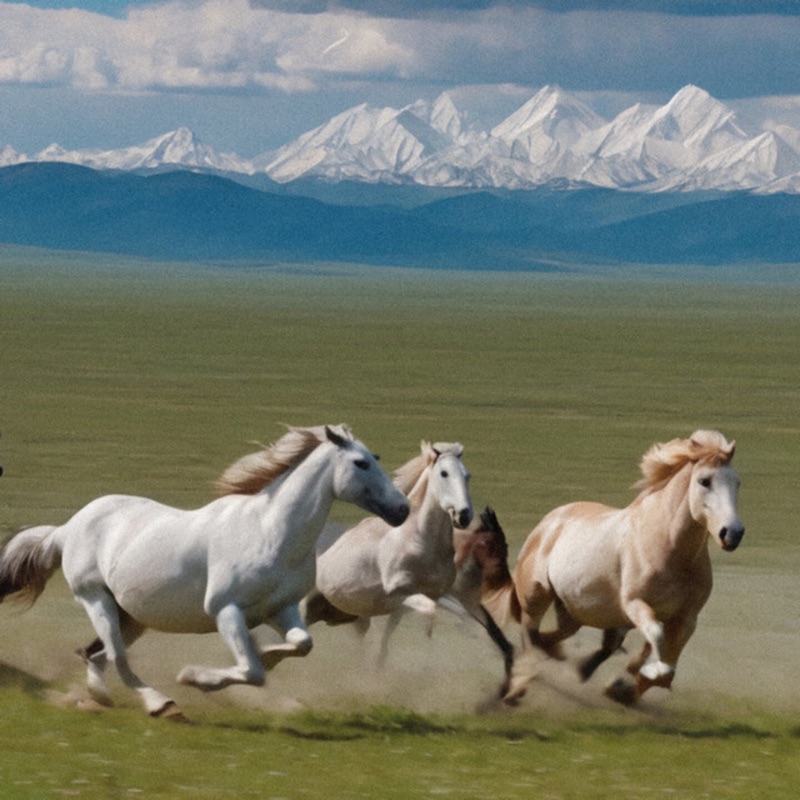
The very title, "Altaylardan Tunaya," immediately sets a grand stage, signifying the immense geographical and historical expanse of the Turkish world. The Altay Mountains, nestled in Central Asia, are considered an ancient homeland and cradle of Turkic peoples, while the Danube River marks the westernmost historical and cultural reach of Turkish influence in Europe. This geographical arc is a powerful metaphor for the continuous, enduring journey of the Turkish nation. The initial lines of the poem, "Altaylardan Tunaya / Kızıl Çin’le arası var / Düştük kara sevdaya, / Gönül güzel yarası var," immediately establish a sense of historical context and passionate devotion. The mention of "Kızıl Çin" (Red China) subtly hints at historical conflicts and geopolitical tensions, underscoring a long-standing struggle for existence and sovereignty that has defined much of Turkish history in its eastern frontiers. The phrase "Düştük kara sevdaya, / Gönül güzel yarası var" translates to "We fell into a dark love, / The heart has a beautiful wound." This isn't merely a romantic lament; "kara sevda" here signifies a profound, almost obsessive, and unbreakable love for the homeland – a love so deep it becomes an intrinsic part of one's being, even if it brings hardship or "beautiful wounds" of sacrifice and struggle.
The poem then shifts to a call for action and solidarity: "Al bizi de sürü sen / Bayrak olak bürü sen / Hele durma yürü sen, / Daha yolun yarısı var." These lines translate to "Take us too, lead us / Let us become a banner, envelop us / Do not stop, march on / The road is still halfway there." This evokes a powerful image of collective will and a readiness to serve the nation, to become its symbol (a banner), and to continue an arduous but essential journey towards its destiny. It instills a sense of momentum and an acknowledgement that the struggle for national ideals is ongoing, never truly complete. This perspective offers a timeless lesson in perseverance and the understanding that nation-building is a perpetual endeavor.
Themes of Resilience, Unity, and Turkish Identity in Ali Aksoy's Work
The subsequent stanzas of "Altaylardan Tunaya" further articulate the unyielding spirit and core values of the Turkish nation. The lines, "Ölüm bize ar gelmez, / Kara toprak dar gelmez, / Zındanları zor gelmez, / Gözlerinin karası var…" are a resounding declaration of fearlessness. They translate to, "Death does not bring shame to us, / Black earth does not feel narrow, / Dungeons do not seem difficult, / There is the blackness of (their/our) eyes." This potent imagery speaks volumes about the Turkish people's legendary bravery and their willingness to face any adversary, be it death, confinement, or hardship, driven by a profound sense of purpose and commitment. It's a testament to the belief that the cause is greater than individual suffering, a theme central to many historical narratives of Turkish heroism.
The poem then champions the unique cultural and legal framework of the Turkish nation: "Başka nizam istemem, / Yurtta tasa istemem, / Yasa masa istemem, / Milletimin töresi var…" (I do not want another order, / I do not want worries in the homeland, / I do not want laws and tables (external regulations), / My nation has its own traditions/customs). This stanza powerfully asserts a desire for self-determination and an adherence to töre – the ancient Turkic customary law and ethical code. Töre represents a deep-seated respect for national traditions, justice, and community values, serving as a pillar of Turkish identity. This rejection of external impositions underscores a deep yearning for sovereignty and cultural authenticity.
Ali Aksoy's poem also extends its embrace to distant Turkish communities, expressing a poignant solidarity: "Bir ülkedir uzakta, / Yaralıdır tuzakta, / Uzağında kalsakta, / Gönlümüzde orası var…" (There is a country far away, / Wounded, caught in a trap, / Even if we remain far away, / It is in our hearts). This speaks to the broader concept of Turkic unity, highlighting the emotional connection to lands and peoples beyond Turkey's immediate borders, often those facing oppression or hardship. It emphasizes that geographical distance does not diminish the spiritual and emotional bond within the Turkic world. This powerful sentiment reinforces the idea that the Turkish identity is not confined by political boundaries, but by a shared heritage and an interconnected destiny. For a deeper understanding of this expansive identity, consider exploring From Altay to Danube: The Enduring Legacy of Turkish Identity.
The Roar of Resistance and Unfulfilled Aspirations
The poem then issues a stern warning and a promise of future action: "Ele surat asacak, / Zalime kan kusacak, / Sanma böyle susacak, / Fırtınası, borası var…" (It will scowl at the enemy, / It will make the oppressor vomit blood, / Do not think it will remain silent like this, / It has a storm, a blizzard). This powerful imagery portrays an impending, unyielding retaliation against injustice. It's a defiant roar that dismisses any notion of passive acceptance and warns oppressors of the formidable force that can be unleashed when pushed too far. The repetition, "Sanma böyle susacak, / Her şeyin bir sırası var…." (Do not think it will remain silent like this, / Everything has its time), adds a strategic dimension, suggesting that resistance is not only inevitable but also timed deliberately, a patient waiting for the opportune moment.
The poem culminates in a declaration of ambition and a vision for the future: "Ere meydan isterem, / Başa kağan isterem, / Türk’e vatan isterem, / Alınmadık neresi var…" (I want a field for heroes, / I want a Khagan at the head, / I want a homeland for Turks, / What part of it is not yet taken?). Here, the desire for strong leadership (a kağan, an ancient Turkic emperor) and a unified, expansive homeland for all Turks is passionately expressed. The rhetorical question, "Alınmadık neresi var?" (What part of it is not yet taken?), boldly challenges existing boundaries and evokes a historical yearning for lost territories or a greater pan-Turkic union. The final lines, "Yıldızları isterem, / Türk’e başka neresi var?" (I want the stars, / What else is there for Turks?), are a soaring expression of boundless ambition and an almost cosmic scale of destiny. It suggests that the aspirations of the Turkish nation are limitless, reaching for the stars themselves, implying that their rightful domain knows no earthly bounds.
The Enduring Legacy of Ali Aksoy's Masterpiece
Ali Aksoy's "Altaylardan Tunaya" is more than a poem; it's an anthem of national consciousness, a historical narrative compressed into powerful verses. Its deep connection to Turkish history, culture, and national aspirations ensures its place as a significant piece of literary and patriotic heritage. The timeless themes of unwavering patriotism, fearlessness in the face of adversity, and the pursuit of unity continue to inspire and resonate across generations. The vivid depiction of the journey from the Altay Mountains to the Danube River serves as a constant reminder of the vast heritage and historical footprint of the Turkish people. This poem, with its profound Altaylardan Tunaya Sözleri, encourages a reflective understanding of identity, belonging, and the continuous effort required to uphold national values.
For individuals seeking to understand the core sentiments of Turkish nationalism and the historical depth of its cultural identity, studying "Altaylardan Tunaya" offers invaluable insight. It encourages an appreciation for how art can embody the collective memory and aspirations of a nation. Moreover, its message of resilience and persistent struggle can be a source of inspiration for anyone facing significant challenges, demonstrating that belief in a cause can transcend even the greatest obstacles. The poem, therefore, serves not only as a historical document but also as a living testament to the power of human spirit and collective determination.
In conclusion, Ali Aksoy's "Altaylardan Tunaya" is a monumental work that captures the essence of Turkish identity and historical journey. From its lyrical embrace of vast geographical spans to its fierce declarations of cultural independence and boundless ambition, the poem provides a window into the soul of a nation. Its eloquent Altaylardan Tunaya Sözleri will undoubtedly continue to stir hearts and minds, reminding all who encounter it of the enduring legacy of Turkish heritage and the indomitable spirit that has shaped its destiny.