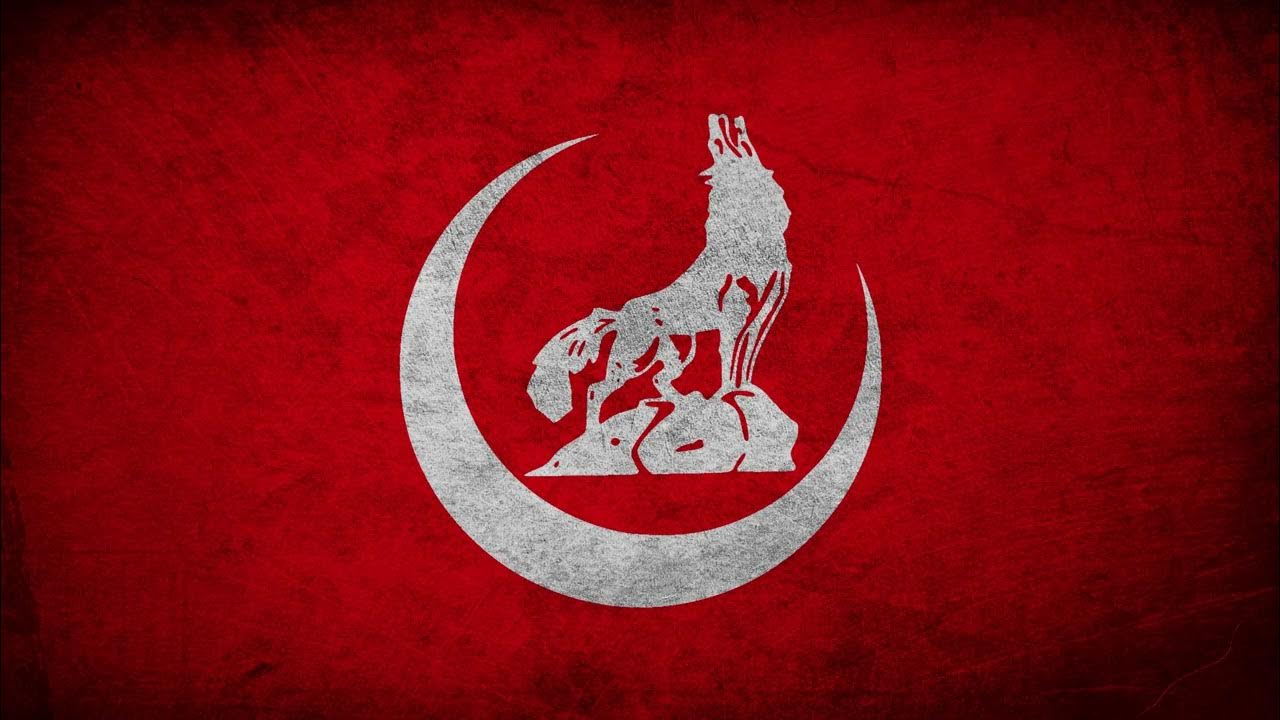
The vast expanse stretching from the snow-capped peaks of the Altay Mountains in Central Asia to the meandering waters of the Danube River in Europe encompasses a mosaic of cultures, histories, and peoples. For Turks, this geographical arc represents more than just a map; it symbolizes a profound historical journey, a shared heritage, and an enduring sense of identity. This deep connection is powerfully encapsulated in the renowned poem and song, "Altaylardan Tunaya: Decoding Turkish Unity and Patriotism," often referred to by its poignant Ali Aksoy'un Altaylardan Tunaya Şiirinin Anlamı ve Önemi. This stirring work is not merely a collection of verses; it's a vibrant manifesto of Turkish spirit, resilience, and a testament to an identity forged across millennia.
Authored by Ali Aksoy, the "Altaylardan Tunaya Sözleri" (Lyrics from Altay to Danube) has resonated deeply within the Turkish world, articulating an ethos of courage, unwavering patriotism, and a steadfast belief in the nation's destiny. It bridges ancient Turkic roots with contemporary aspirations, weaving a narrative that inspires unity and evokes a sense of collective memory. Let's embark on a journey to explore the profound layers of meaning embedded within this cultural cornerstone, understanding how it continues to shape the enduring legacy of Turkish identity.
The Poetic Journey: Unpacking the "Altaylardan Tunaya Sözleri"
At its heart, "Altaylardan Tunaya" serves as a lyrical compass, pointing to the immense historical and cultural footprint of the Turkic peoples. The opening lines, "Altaylardan Tunaya, Kızıl Çin’le arası var," immediately set a grand stage. The Altay Mountains are the legendary cradle of Turkic civilization, a place of origin and deep ancestral memory. The Danube River marks the furthest western expansion of Turkic influence, particularly with the Ottoman Empire. This geographical span symbolizes a continuous, dynamic journey of a people. The mention of "Kızıl Çin" (Red China) subtly hints at historical rivalries and geopolitical realities that have shaped Turkic history, particularly in Central Asia.
The poem quickly pivots to an emotional declaration: "Düştük kara sevdaya, Gönül güzel yarası var." This isn't just love; it's a "black love" or an all-consuming passion, implying a profound, almost fated devotion to the homeland. The "beautiful wound of the heart" suggests that this deep love for the nation comes with sacrifices, struggles, and perhaps even heartache, yet these trials only serve to deepen the affection rather than diminish it. This intense patriotism is a core theme running through the Altaylardan Tunaya Sözleri, defining the Turkish spirit.
A Call to Unity and Steadfastness
The verses transition into a powerful call to action and unity, urging the nation forward: "Al bizi de sürü sen, Bayrak olak bürü sen, Hele durma yürü sen, Daha yolun yarısı var." This can be interpreted as a plea for leadership to rally the people, to carry them forward like a shepherd guiding a flock. The imagery of becoming a "flag to cover" implies embodying the national ideal, standing united under its banner. "Don't stop, just walk on, for the journey is only halfway done" is a potent metaphor for the unceasing march of history and the collective ambition of the Turkish nation. It conveys that despite past achievements and challenges, the journey towards greater ideals and future aspirations is far from over. This ongoing commitment to progress and development is a crucial element of the poem's message.
Courage in the Face of Adversity
Perhaps one of the most resonant themes in the Altaylardan Tunaya Sözleri is an indomitable spirit and a defiance of fear. "Ölüm bize ar gelmez, Kara toprak dar gelmez, Zindanları zor gelmez, Gözlerinin karası var…" These lines encapsulate the legendary bravery of the Turkish people, particularly their soldiers. Death is not a disgrace, nor is the grave too narrow. Prisons, no matter how daunting, are not insurmountable. The "blackness of their eyes" refers to a fierce, unyielding determination, often associated with a warrior's resolve. This section speaks to a deep-seated valor and a readiness to face any hardship or sacrifice for the sake of the nation, drawing parallels with historical struggles where Turkish heroism was often tested to its limits.
Beyond Geography: The Philosophical Heart of Turkish Identity
The "Altaylardan Tunaya Sözleri" transcends mere geographical markers to articulate a profound philosophical stance on Turkish identity and governance. It champions an indigenous worldview, rooted in centuries of Turkic tradition.
Upholding the 'Töre' and National Self-Determination
The poem makes a powerful declaration against external influences and in favor of inherent national values: "Başka nizam istemem, Yurtta tasa istemem, Yasa masa istemem, Milletimin töresi var…" This stanza is a direct assertion of self-determination. "I don't want another order (nizam), I don't want sorrow in the homeland, I don't want laws (yasa) or tables (masa) from others." Instead, it unequivocally states, "My nation has its own töre."
The concept of töre is central to understanding Turkic identity. It refers to the ancient, unwritten codes of conduct, laws, ethics, and traditions that have guided Turkic societies for millennia. It embodies justice, honor, courage, and respect for elders and the collective. By prioritizing töre over imposed systems, the poem advocates for cultural sovereignty and a system of values derived from within the nation's own historical and cultural fabric. This rejection of external models highlights a deep-seated pride in unique Turkish heritage and a desire to forge a path consistent with its own historical principles.
The Enduring Dream of a Wounded Land
The poem then shifts to a poignant reflection on a distant, perhaps suffering, part of the Turkic world: "Bir ülkedir uzakta, Yaralıdır tuzakta, Uzağında kalsakta, Gönlümüzde orası var…" This evocative imagery refers to a "country far away," possibly trapped or wounded, yet remaining ever-present in the hearts of the Turkish people, even if they are physically distant. This speaks to a strong sense of solidarity with Turkic peoples in other regions, those who may be experiencing hardship or subjugation. It reflects a pan-Turkic sentiment, a yearning for unity and support among all Turkic communities across the globe, illustrating how the "Altaylardan Tunaya Sözleri" extends beyond the borders of modern Turkey to embrace a wider cultural sphere.
The Unyielding Spirit: A Storm Awaiting
The poem's power culminates in a warning and a promise of eventual justice and resurgence. "Ele surat asacak, Zalime kan kusacak, Sanma böyle susacak, Fırtınası, borası var… Sanma böyle susacak, Her şeyin bir sırası var…." These lines speak of a patient, yet formidable spirit. Those who act arrogantly or oppressively (zalime kan kusacak – literally, will vomit blood) will face retribution. The phrase "Don't think it will stay silent; it has its storm, its blizzard" paints a vivid picture of a dormant but powerful force. It implies that while the nation may appear quiet or patient, there is an inherent strength and a fierce will that will eventually erupt against injustice. The concluding line, "Don't think it will stay silent, everything has its time," reinforces the idea of strategic patience and the inevitability of justice or a strategic countermove.
This section is a powerful expression of national dignity and resilience. It's not a call for immediate, reckless action, but a declaration of underlying strength and a belief that the tide will inevitably turn in favor of the just. For a deeper dive into the symbolic interpretations of the "Altaylardan Tunaya Sözleri" and its impact on national consciousness, see Altaylardan Tunaya: Decoding Turkish Unity and Patriotism.
Aspirations for Leadership and Homeland
The ultimate aspirations of the Turkish spirit are articulated with a bold vision: "Ere meydan isterem, Başa kağan isterem, Türk’e vatan isterem, Alınmadık neresi var… Yıldızları isterem, Türk’e başka neresi var ?"
- Ere meydan isterem: "I want a field for heroes," symbolizing a desire for opportunities for the nation's valiant individuals to prove themselves and contribute.
- Başa kağan isterem: "I want a Kağan at the head," signifying a yearning for strong, wise, and culturally rooted leadership, akin to the ancient Turkic rulers who led their people to greatness. The Kağan is a figure of unity, power, and guidance.
- Türk’e vatan isterem: "I want a homeland for Turks," a fundamental desire for a secure, prosperous, and sovereign land.
- Alınmadık neresi var… Yıldızları isterem, Türk’e başka neresi var?: These lines expand the vision beyond earthly boundaries. "What place is left unconquered? I want the stars; what else is there for Turks?" This is an expression of boundless ambition, an unyielding spirit of exploration, and a desire to reach the highest possible achievements. It reflects a historical narrative of expansion and influence, projecting it into an almost cosmic future.
Practical Applications and Enduring Relevance
The "Altaylardan Tunaya Sözleri" is far more than an ancient poem; it remains a living text, deeply integrated into contemporary Turkish culture and national discourse. Its practical applications and enduring relevance are manifold:
- Educational Value: This poem is frequently taught in schools and recited at national events, serving as a powerful tool for instilling national pride, historical awareness, and a deep understanding of Turkish heritage among younger generations. It teaches them about the historical breadth and spiritual depth of their identity.
- Cultural Preservation: By emphasizing concepts like töre and advocating for indigenous values, the poem plays a crucial role in the preservation of traditional Turkish customs and ethical codes in an increasingly globalized world. It serves as a reminder of what makes Turkish culture unique.
- Inspiration for Modern Challenges: The poem's themes of resilience, unity, and unwavering determination offer inspiration in the face of contemporary challenges, whether economic, social, or geopolitical. It fosters a sense of national solidarity and encourages perseverance.
- Understanding Turkish Geopolitics: For international observers, understanding the nuances of the "Altaylardan Tunaya Sözleri" provides invaluable insight into the historical perspectives and long-held aspirations that often shape Turkish foreign policy and its engagement with the wider Turkic world. It helps explain the cultural underpinnings of certain strategic outlooks.
- Artistic and Musical Expression: Beyond its poetic form, the "Altaylardan Tunaya Sözleri" has been set to music, further amplifying its reach and emotional impact. It is performed in various musical styles, keeping its message vibrant and accessible across different segments of society.
For more on the historical context and poetic significance, explore Ali Aksoy'un Altaylardan Tunaya Şiirinin Anlamı ve Önemi.
From the evocative imagery of a journey spanning continents to the profound declarations of national spirit and aspiration, the "Altaylardan Tunaya Sözleri" stands as a monumental work of Turkish literature and an enduring symbol of national identity. It's a vivid tapestry woven with threads of history, courage, and an unyielding commitment to the future. Ali Aksoy's powerful verses encapsulate the essence of what it means to be Turkish—a heritage rich in tradition, a spirit defiant in adversity, and a vision boundless in ambition. This poem continues to resonate as a rallying cry, ensuring that the legacy of Turkish identity, stretching from the Altay Mountains to the Danube River, remains vibrant and eternally inspiring.